Structural Foundation Repair Castle Hills, TX
Our local foundation technicians identify the cause of foundation movement and provide structural foundation inspections, stabilization, and repair solutions tailored to the soil conditions, structure, and long-term stability of homes and businesses throughout Castle Hills.
- Join hundreds of satisfied homeowners.
Helping
Castle Hills Homes Stay
Structurally Stable
Why Small Foundation
Problems Become Expensive Repairs
in Castle Hills
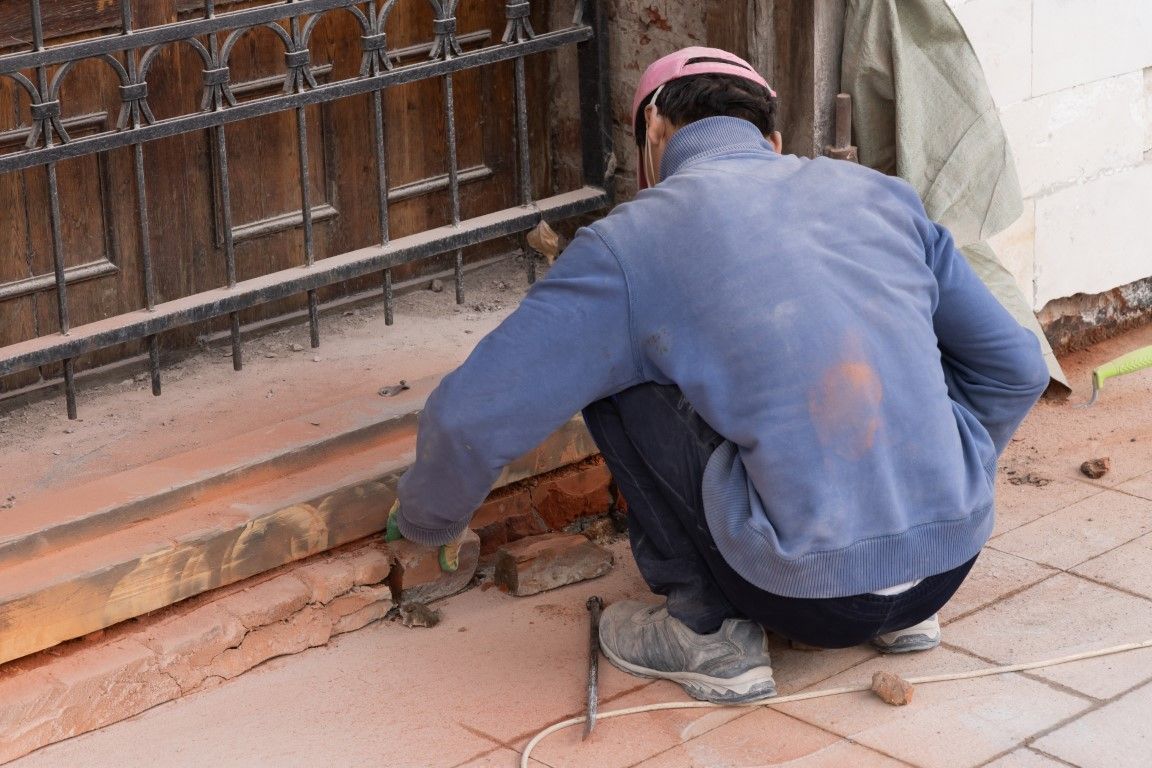
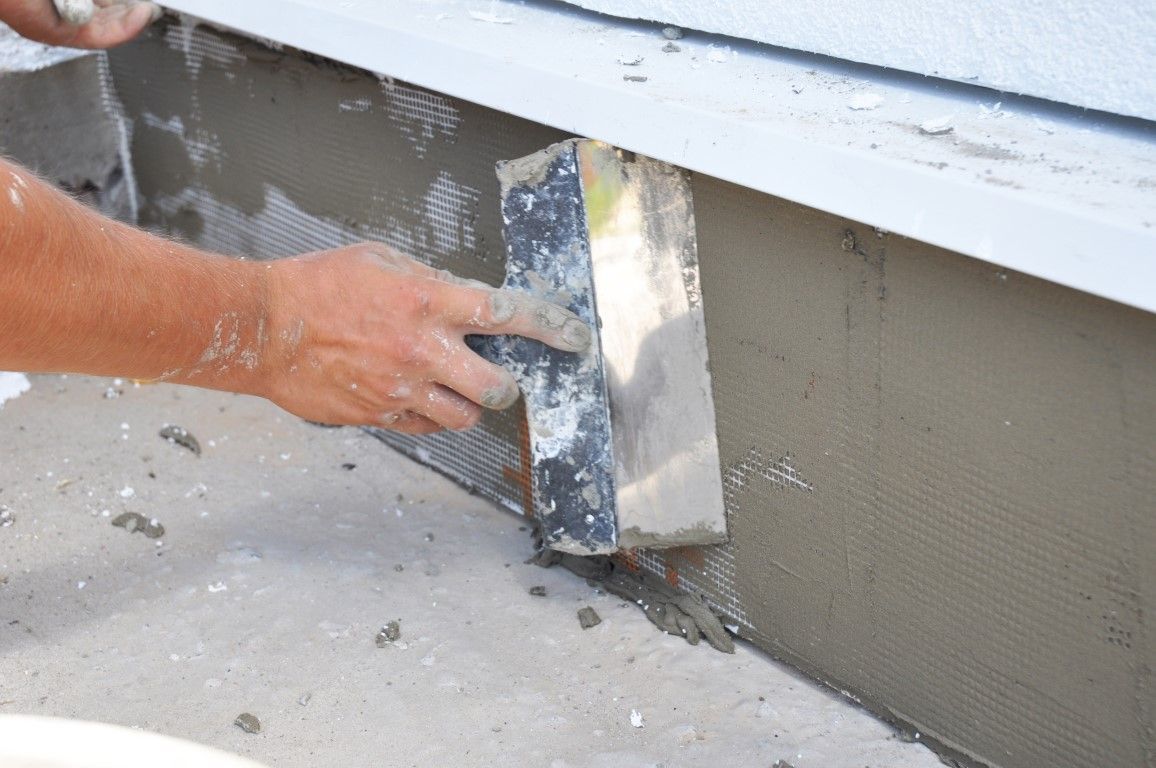
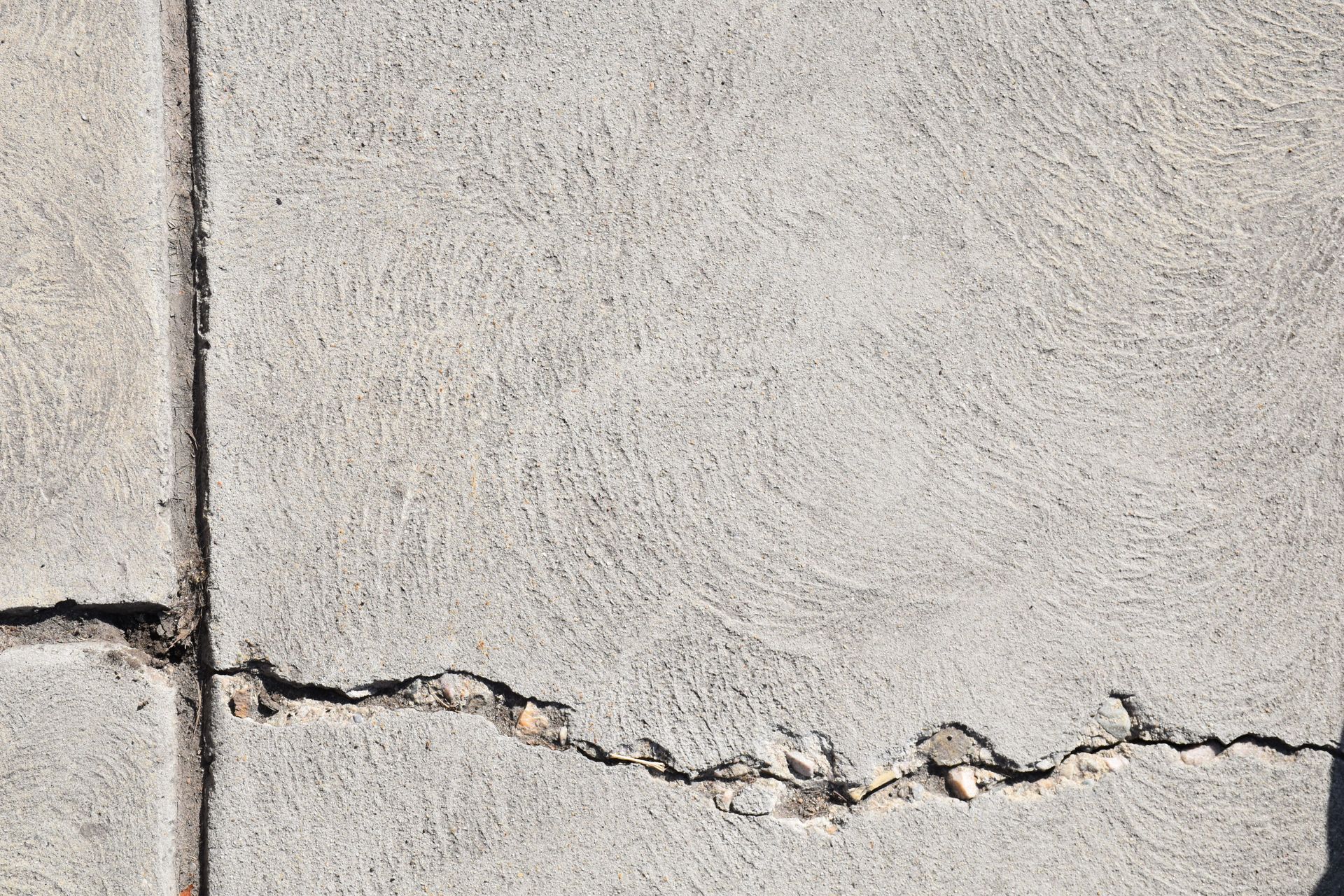
Small foundation issues rarely stay small. In Castle Hills, expanding and shrinking clay soils can turn minor drywall cracks or sticking doors into house foundation settlement, slab foundation movement, or structural wall crack repair needs if left unaddressed. A structural foundation inspection in Castle Hills helps identify the source of movement early and determine the best foundation repair solution before larger repairs become necessary.
As settlement progresses, damage can spread to brick veneer, flooring, plumbing lines, windows, and door frames. Addressing residential structural foundation repair, foundation shifting repair, or foundation stabilization early often reduces repair costs while protecting your home's long-term structural integrity and resale value.
Schedule a foundation inspection with local experts.
Early Signs
of Structural Foundation Settlement
Around Your Property
Foundation settlement usually begins with subtle changes around the property. Recognizing these warning signs early can help Castle Hills homeowners schedule a structural foundation inspection, identify foundation movement, and avoid more extensive house foundation settlement repair later.
Cracked Driveways & Walkways
New cracks, uneven sidewalks, or sinking driveways often result from the same changing soil conditions affecting the home's foundation. Inspecting exterior concrete alongside the structure helps identify slab foundation settlement and foundation shifting before damage spreads.
Uneven Patios & Outdoor Spaces
Patios, pool decks, porches, and outdoor living spaces may settle, tilt, or separate from the home as supporting soils move. These changes can indicate slab foundation movement repair or the need for foundation stabilization beneath nearby structures.
Gaps Around Exterior Openings
Gaps around garage doors, windows, exterior trim, or masonry joints often develop when portions of the home settle unevenly. These early signs commonly appear before homeowners notice more obvious structural foundation repair needs.
Brick & Masonry Cracks
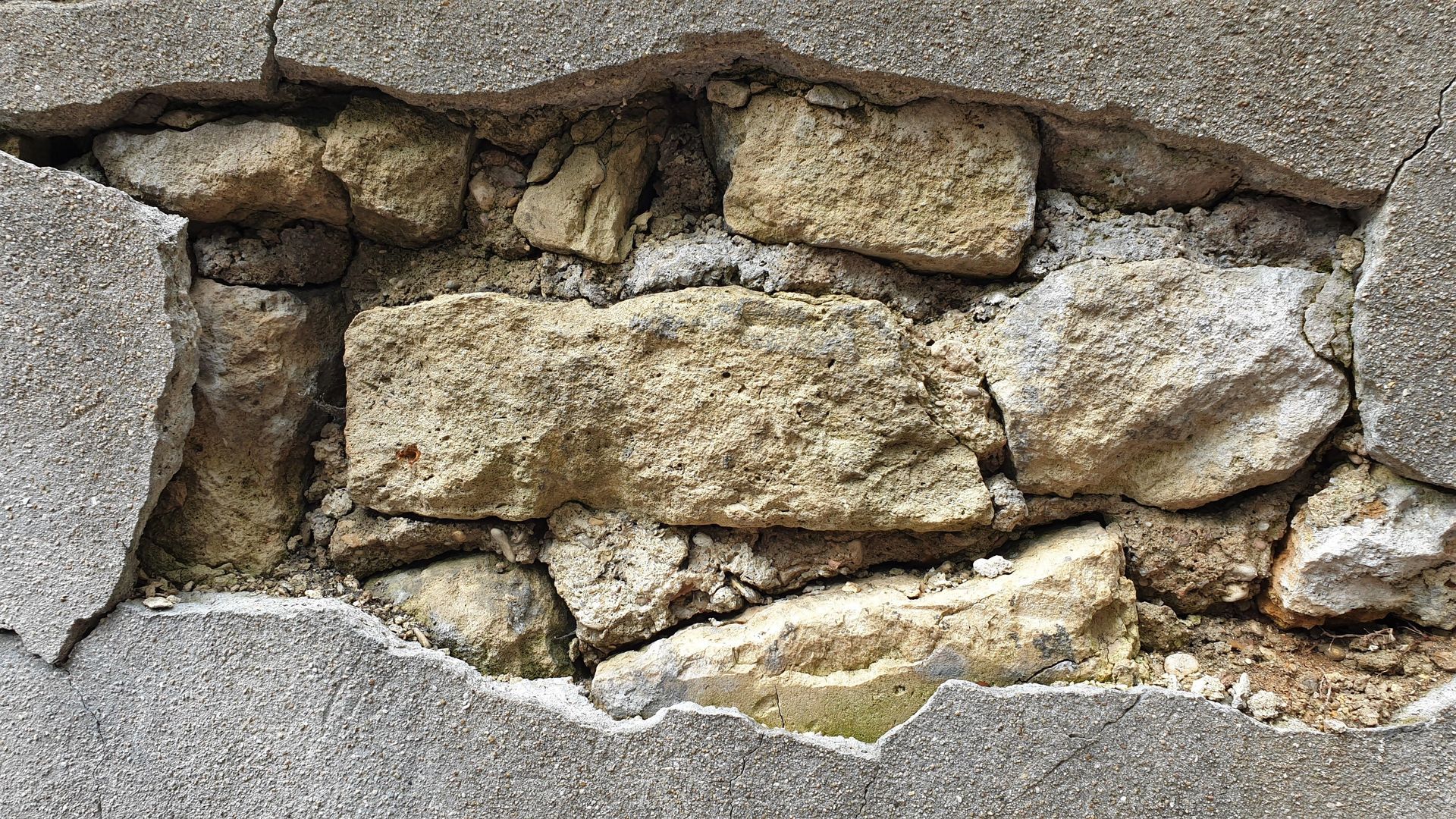
Stair-step brick cracks, separated mortar joints, or masonry pulling away from corners frequently indicate foundation settlement repair is needed. These signs are common in Castle Hills neighborhoods with moisture-sensitive clay soils.
Fence & Gate Movement
Fence posts that lean, retaining walls that shift, or gates that stop latching properly may reflect changing soil conditions across the property. These issues often occur alongside foundation movement and should be evaluated during a professional structural foundation inspection.
Why
Cosmetic Repairs
Don't Solve Foundation Problems
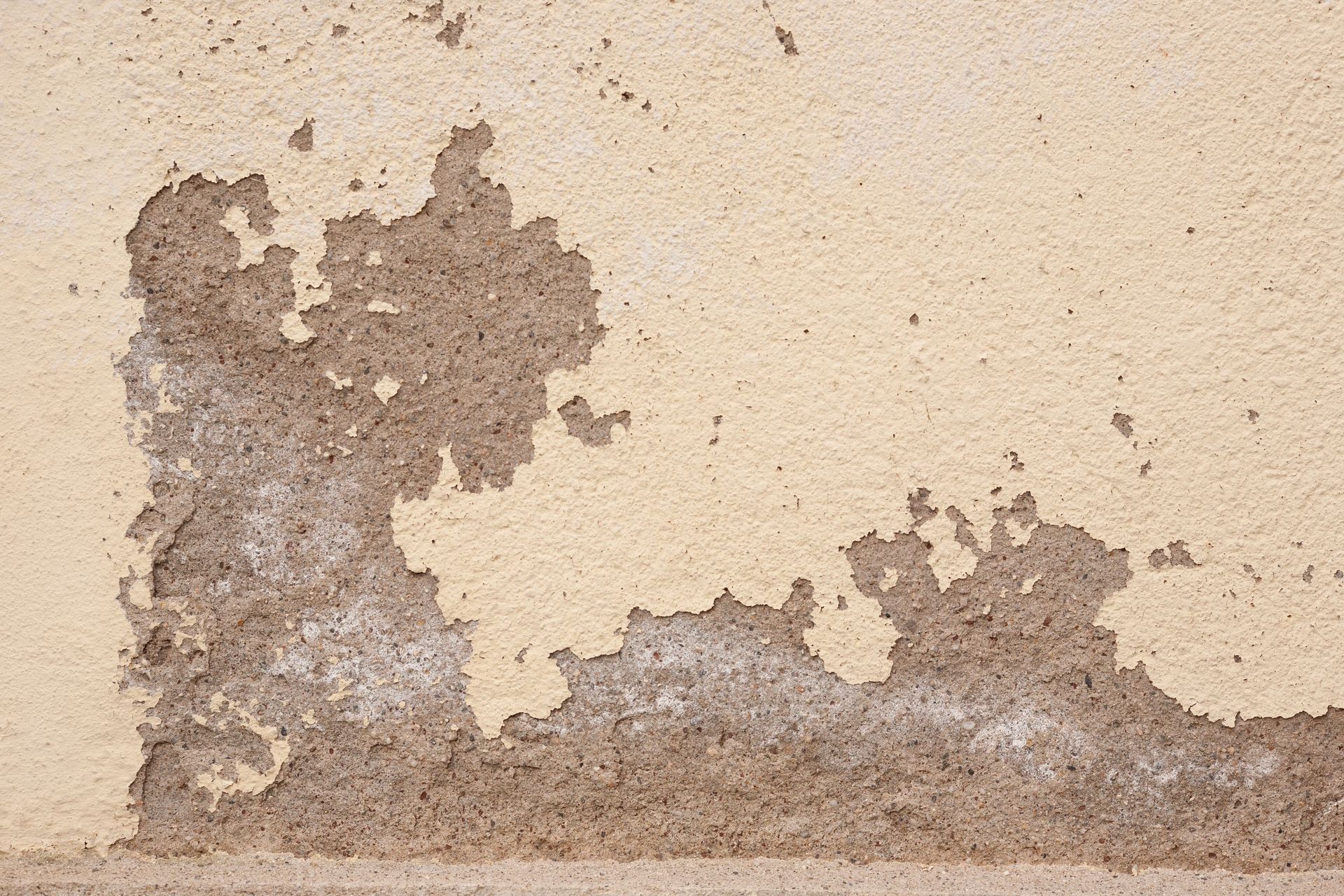
Surface repairs may improve appearance, but they won't stop the structural movement beneath your foundation. A structural foundation inspection in Castle Hills identifies whether house foundation settlement repair, slab foundation settlement repair, or foundation stabilization is needed. Fixing the underlying cause helps protect your home and future renovations.
- Drywall cracks often return if house foundation settlement repair hasn't been completed.
- Painting over cracks won't correct structural foundation movement.
- Replacing flooring won't stop slab foundation settlement.
- Caulking gaps around windows and doors won't stabilize the home's foundation.
- Repointing brick alone won't correct foundation shifting beneath the structure.
- Cosmetic repairs should follow structural foundation stabilization, not replace it.
- A structural foundation inspection in Castle Hills helps determine whether damage is cosmetic or structural.
- Addressing the underlying cause helps protect remodeling projects, flooring, cabinetry, and other home improvements.

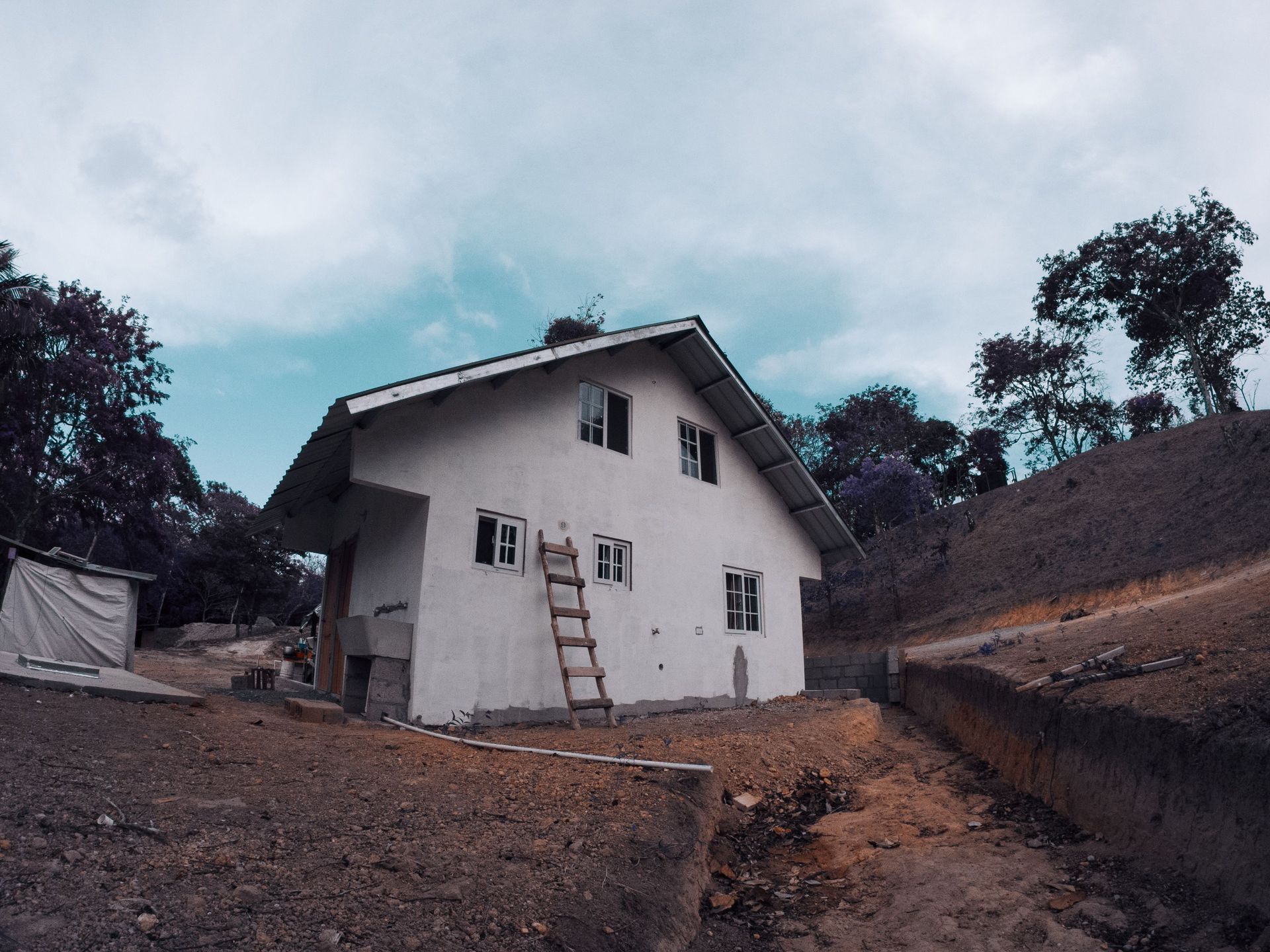
What Happens After Your Foundation Repair Is Complete?
Completing structural foundation repair in Castle Hills is only the first step. Long-term performance depends on protecting the supporting soils and monitoring your property as weather conditions change throughout the year.
Protect your Castle Hills home before settlement spreads.
Serving Castle Hills & Surrounding Communities
Homes throughout Castle Hills experience different settlement patterns depending on drainage, soil composition, foundation design, and property age. Our local foundation pros provide residential structural foundation repair, commercial foundation stabilization, structural wall crack repair, and detailed inspections across the surrounding area.
Our service areas:
- Castle Hills
- Hill Country Village
- Shavano Park
- Hollywood Park
- Olmos Park
- Dellview
- Leon Valley
- Balcones Heights
- North Central San Antonio
- Blanco Road Corridor
- Lockhill Selma Area
- Loop 410 Corridor
- US-281 Corridor
- Northwest San Antonio
We proudly serve Castle Hills and nearby Northwest San Antonio communities. Give us a call.
FAQs About Structural Foundation Repair
Have questions about structural foundation repair? Here are answers to common concerns from Castle Hills homeowners and commercial property owners.
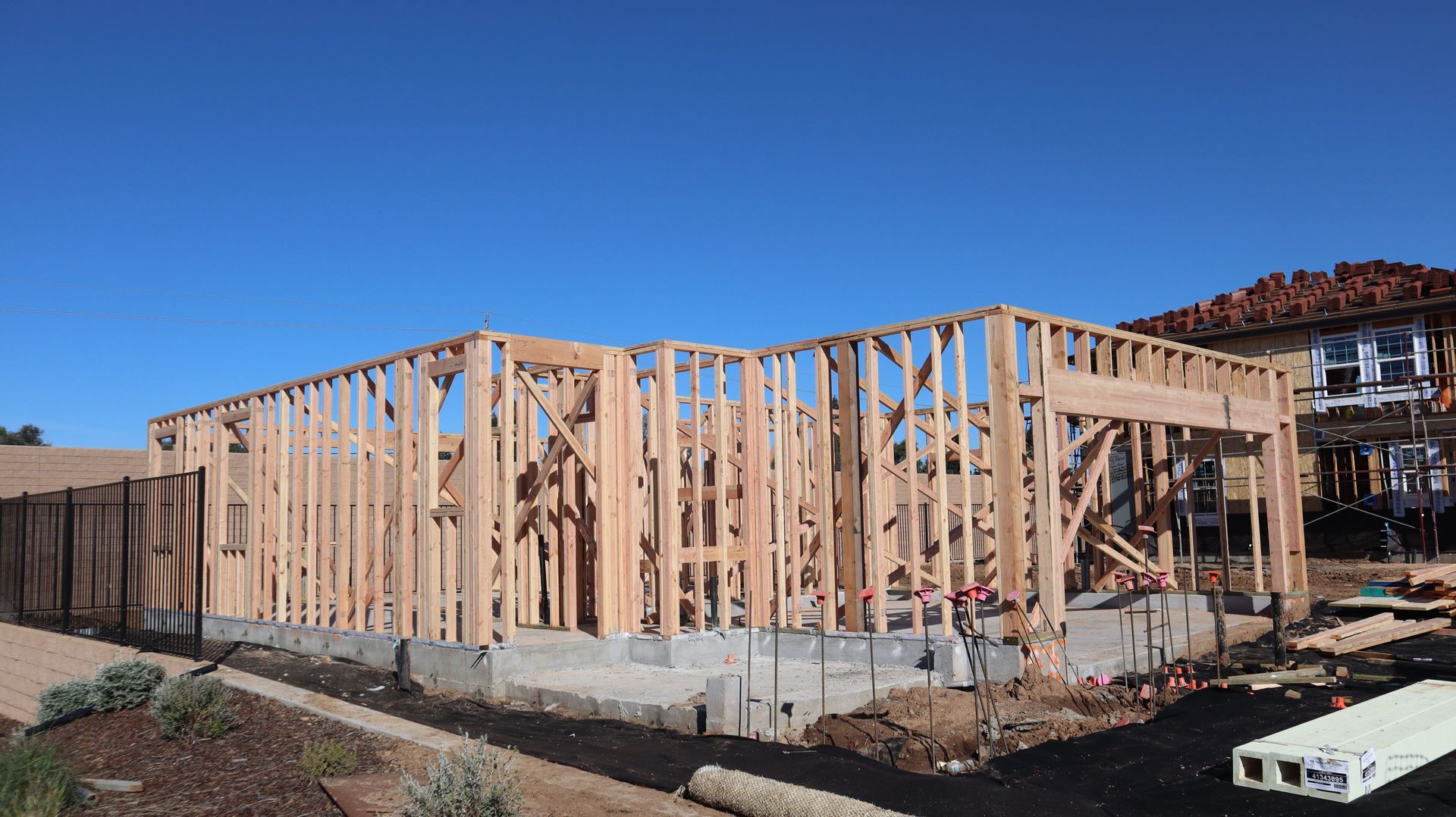
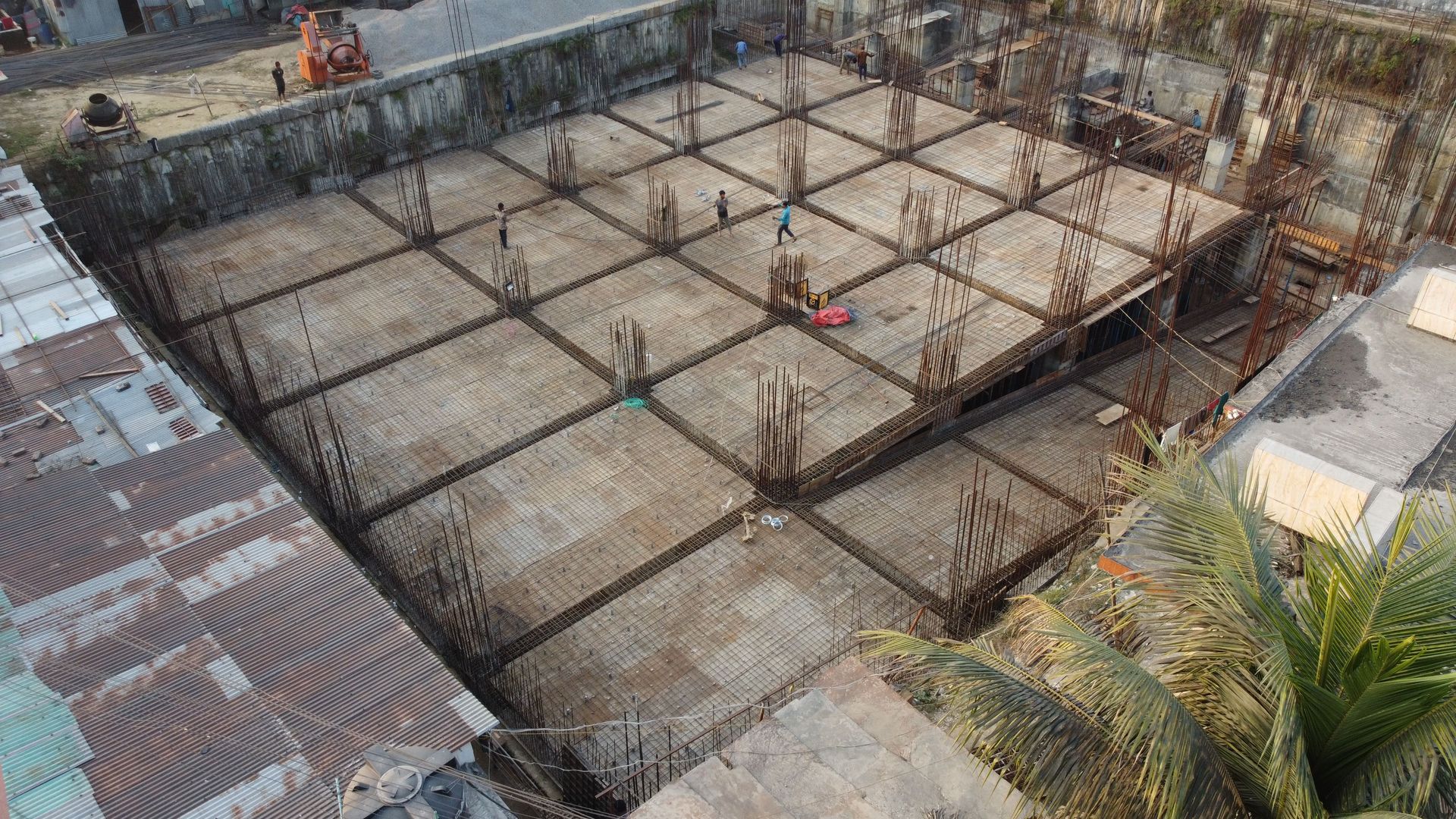
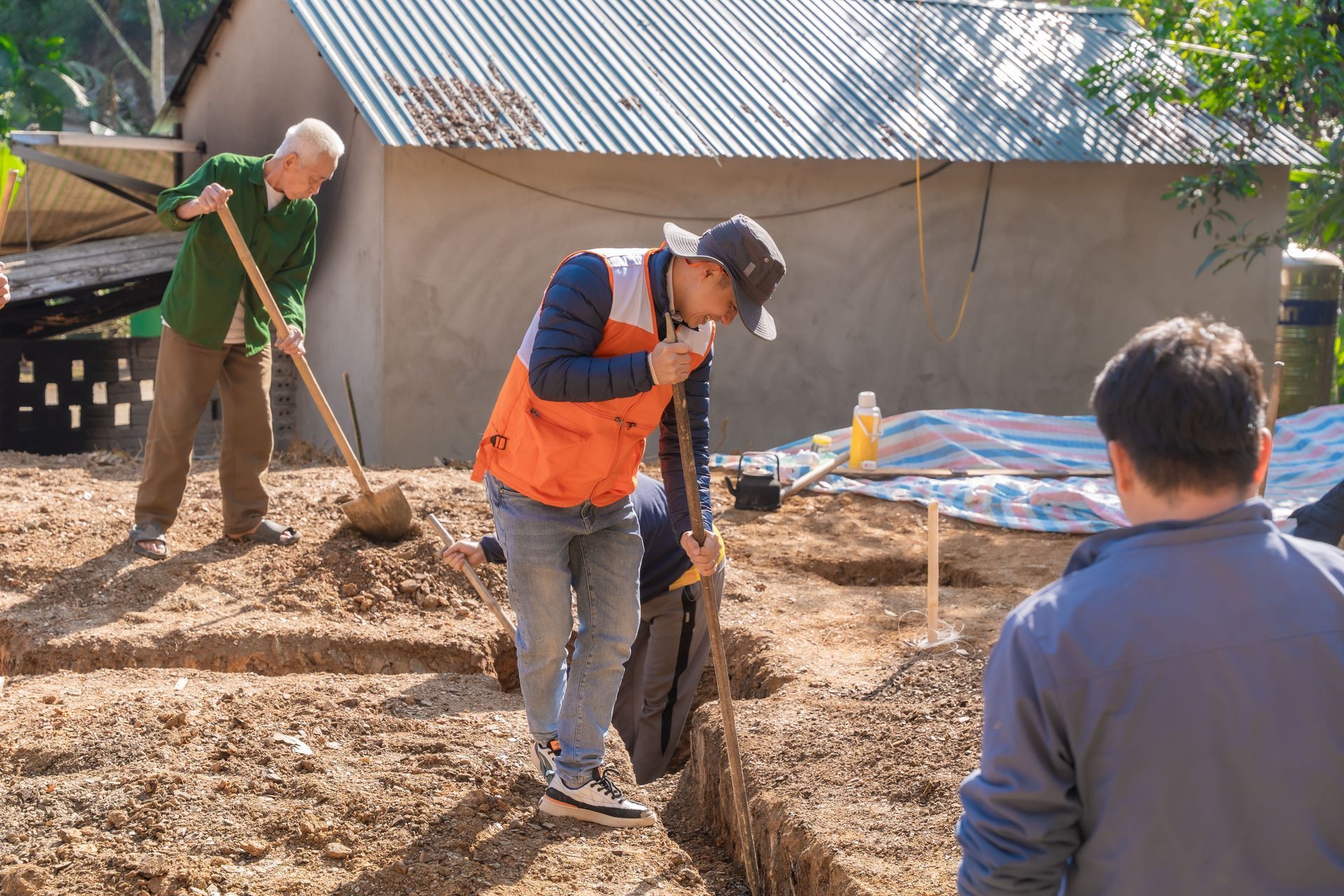
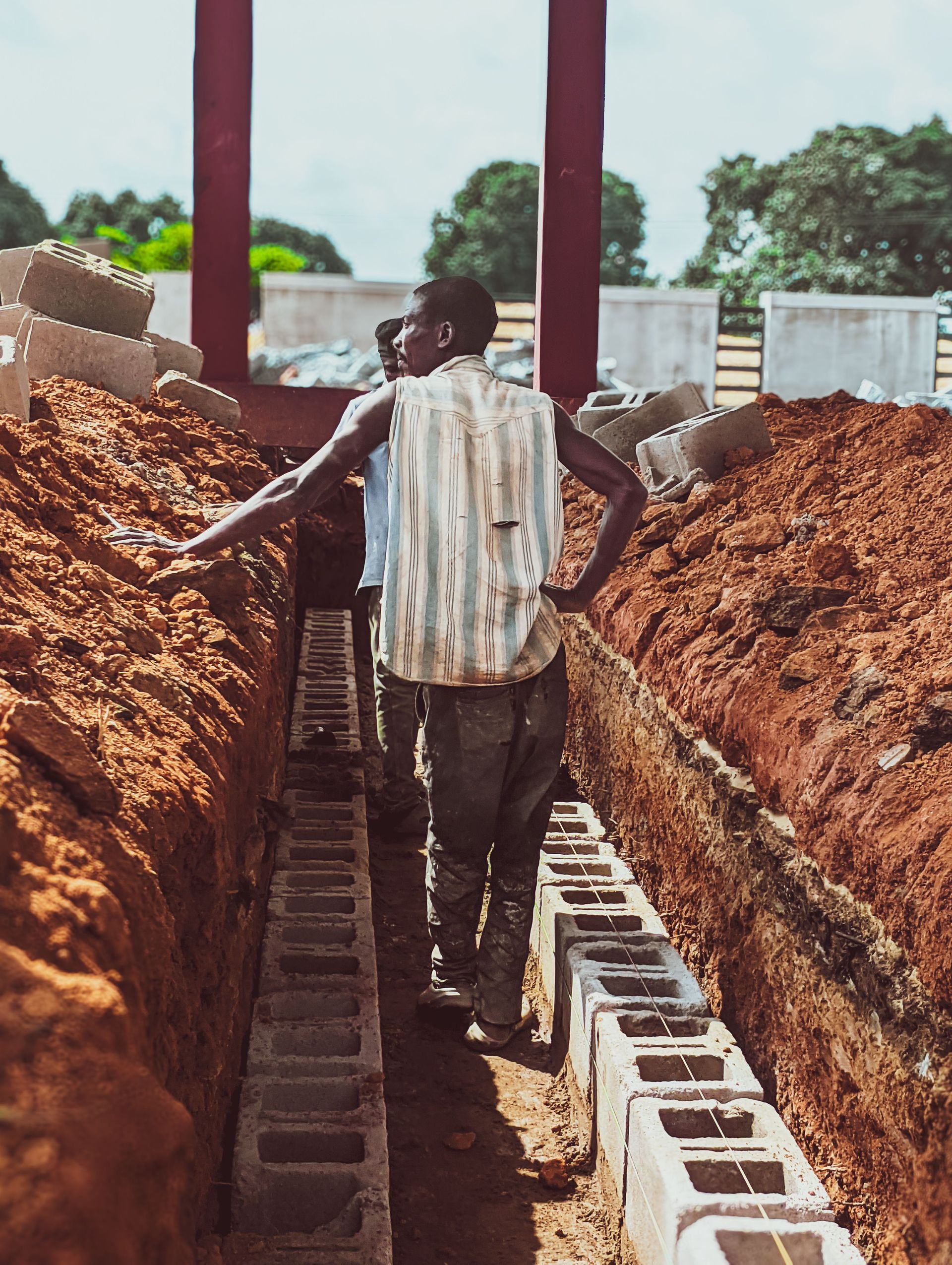
Build Long-Term Stability for Your Home
Foundation movement rarely improves without addressing the source of the problem. A professional structural foundation inspection helps identify what's happening beneath your home and provides repair recommendations based on your property's specific conditions.
Get your free structural foundation repair inspection today.